Low, Slow, and Worth the Wait: Grilling the Perfect Boston Butt
Grilling Notes · 5 min read
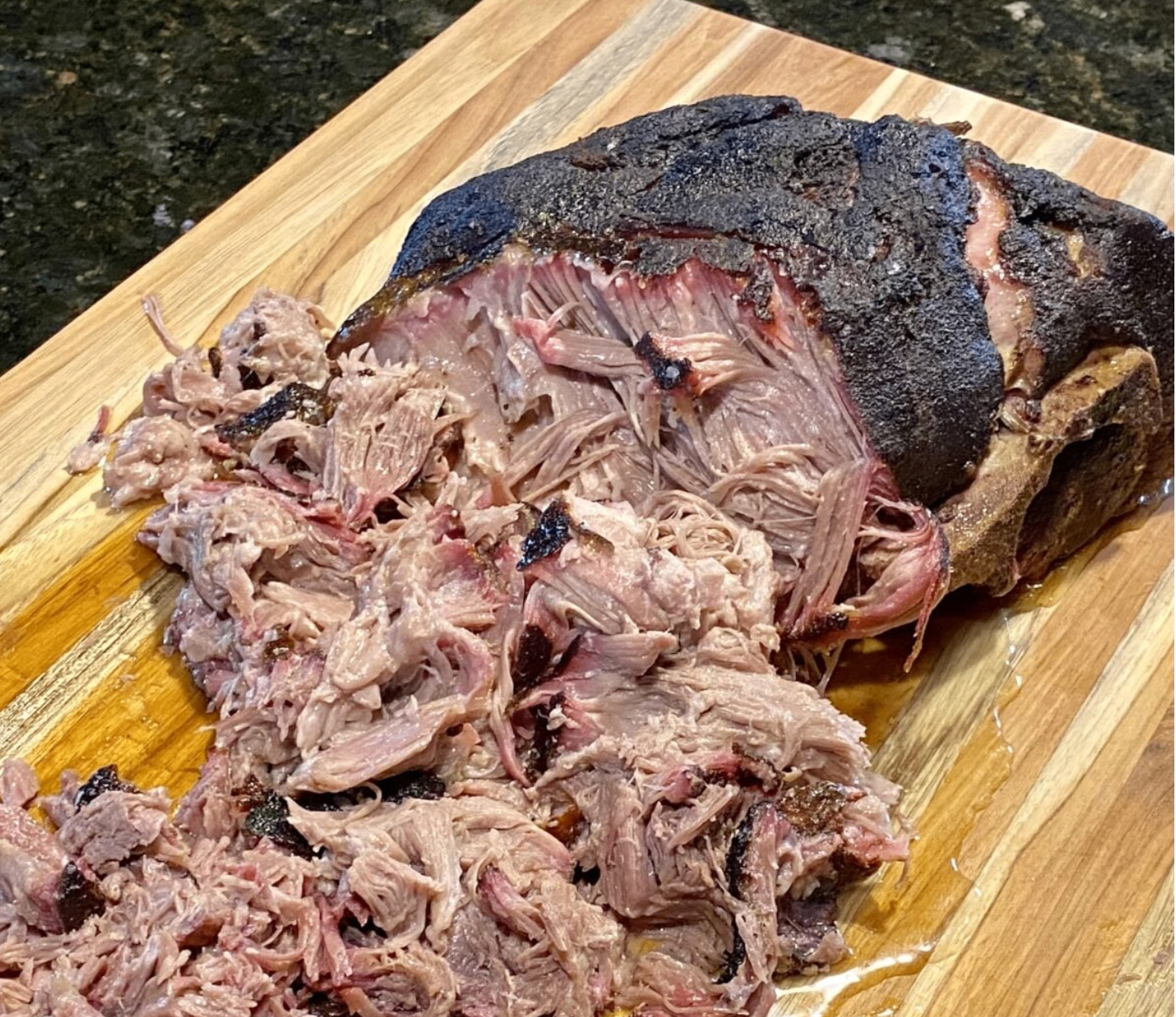
There are two kinds of cooks in this world — the ones who rush a pork shoulder, and the ones who get invited back. Out here on the lake, weekends move slow on purpose, and a good Boston butt asks you to slow down with it. Get it right and you'll feed a whole crowd with meat so tender it falls apart at the suggestion of a fork. Here's how we do it.
From the porch at Boone & Co.
There are two kinds of cooks in this world — the ones who rush a pork shoulder, and the ones who get invited back. Out here on the lake, weekends move slow on purpose, and a good Boston butt asks you to slow down with it. Get it right and you'll feed a whole crowd with meat so tender it falls apart at the suggestion of a fork. Here's how we do it.
First, About the Cut
Don't let the name fool you — a "Boston butt" comes from the shoulder of the hog, not the back end. It's a tough, hard-working muscle laced with fat and connective tissue, which is exactly why it's so forgiving. All that marbling melts down over a long cook and bastes the meat from the inside out. You really can't dry this one out if you give it the time it wants.
Look for a bone-in butt in the 7 to 9 pound range. The bone adds flavor and tells you when you're done — more on that later. Plan on each pound feeding two to three people once it's pulled.
The Night Before
Pat the shoulder dry and trim the fat cap down to about a quarter inch — enough to protect the meat, not so much that it never renders. Then give it a good coat of rub.
This is where you let the experts do the heavy lifting. Stop in and pick your favorite — we keep the shelf stocked with Kinder's, Kosmos Q, Blues Hog, Bearded Butcher, Frag Out, Rufus Teague, Traeger, and more. Whether you want something sweet, savory, or with a little kick, there's a blend on our shelf with your name on it. Grab one (or three — they're worth collecting) and skip the guesswork.
Work it into every surface, wrap the butt loose, and let it rest in the icebox overnight. The salt and sugar settle in while you sleep.
Setting Up the Grill
The secret to a Boston butt is steady, indirect heat — low and slow, around 225 to 250 degrees. You're not cooking it so much as gently coaxing it.
Build a two-zone fire. Bank your coals to one side and leave the other side empty; that empty side is where the meat sits. On a gas grill, light only the burners on one half. Set a pan of water on the cool side to keep things moist and even out the temperature.
Running a pellet grill? Even easier — this is exactly what they're built for. Set it to 225 or 250, load the hopper, and let it hold the temperature for you while you tend to other things. No coals to bank, no fire to babysit. The pellets handle your smoke, so pick a pecan or hickory blend and you're set. It's about as close to "set it and forget it" as a long cook gets.
If you've got hardwood, throw a couple chunks of hickory or pecan on the coals. Pecan's a fine local choice and burns a little sweeter than hickory. A light kiss of smoke is plenty — you don't want it tasting like an ashtray.
The Long Haul
Set the butt fat-side up on the cool side, close the lid, and walk away. Figure roughly an hour and a half per pound, so a big shoulder can run 10 to 12 hours. Resist the urge to keep peeking — every time you lift the lid, you add time. As the old smokers say, if you're lookin', you ain't cookin'.
Keep an eye on your fire, not the meat. Add a few coals as needed to hold your temperature steady. Somewhere around 160 degrees internal, the meat will hit the stall — the temperature stops climbing, sometimes for hours, as moisture evaporates off the surface. This is normal. You can ride it out, or you can wrap the butt snug in foil or butcher paper to push through it faster. Wrapping speeds things along and keeps it juicy; leaving it bare gives you a darker, crustier bark. Both are right.
Knowing When It's Done
Forget the clock — trust the thermometer. You're aiming for an internal temperature of 195 to 205 degrees in the thickest part, away from the bone. At that point the connective tissue has fully broken down. The truest test: grab that bone and give it a wiggle. If it slides clean out of the meat, you're there.
Rest, Then Pull
This part matters as much as the cooking. Pull the butt off, leave it wrapped, and let it rest at least 45 minutes to an hour — longer won't hurt. The juices settle back into the meat instead of running out onto your cutting board.
Then pull it apart with a couple of forks or your hands (claws make quick work of it). Mix the crusty bark right back through the tender center, then finish it your way. A splash of cider vinegar brightens things up, but for sauce, come see us — we carry the same lineup as our rubs: Blues Hog, Kosmos Q, Kinder's, Rufus Teague, Bearded Butcher, Frag Out, Traeger, and more. From sweet and sticky to tangy and bold, there's a bottle to match your butt. Pile it high and sauce to taste.
A Few Honest Tips
Don't skip the rest. It's the hardest part and the most important. A leave-in probe thermometer is worth its weight — it lets you watch the temperature without opening the lid. Cook two while you're at it. It takes the same fire, and pulled pork freezes beautifully. Save the bone and any drippings for a pot of beans down the road.
Whether you're feeding the family after a day on the water or putting on a spread for the neighbors, a good Boston butt is one of those things that pays you back for your patience. Come see us if you need rubs, hardwood, a thermometer, or a good knife to get you set — we keep the porch stocked for exactly this kind of weekend.
Stop in at Boone & Co., 202 Newton Street, Saint Joseph. We'll point you to the right tools.