The Passion Flower: A Living Map of the Crucifixion
Garden Notes · 5 min read
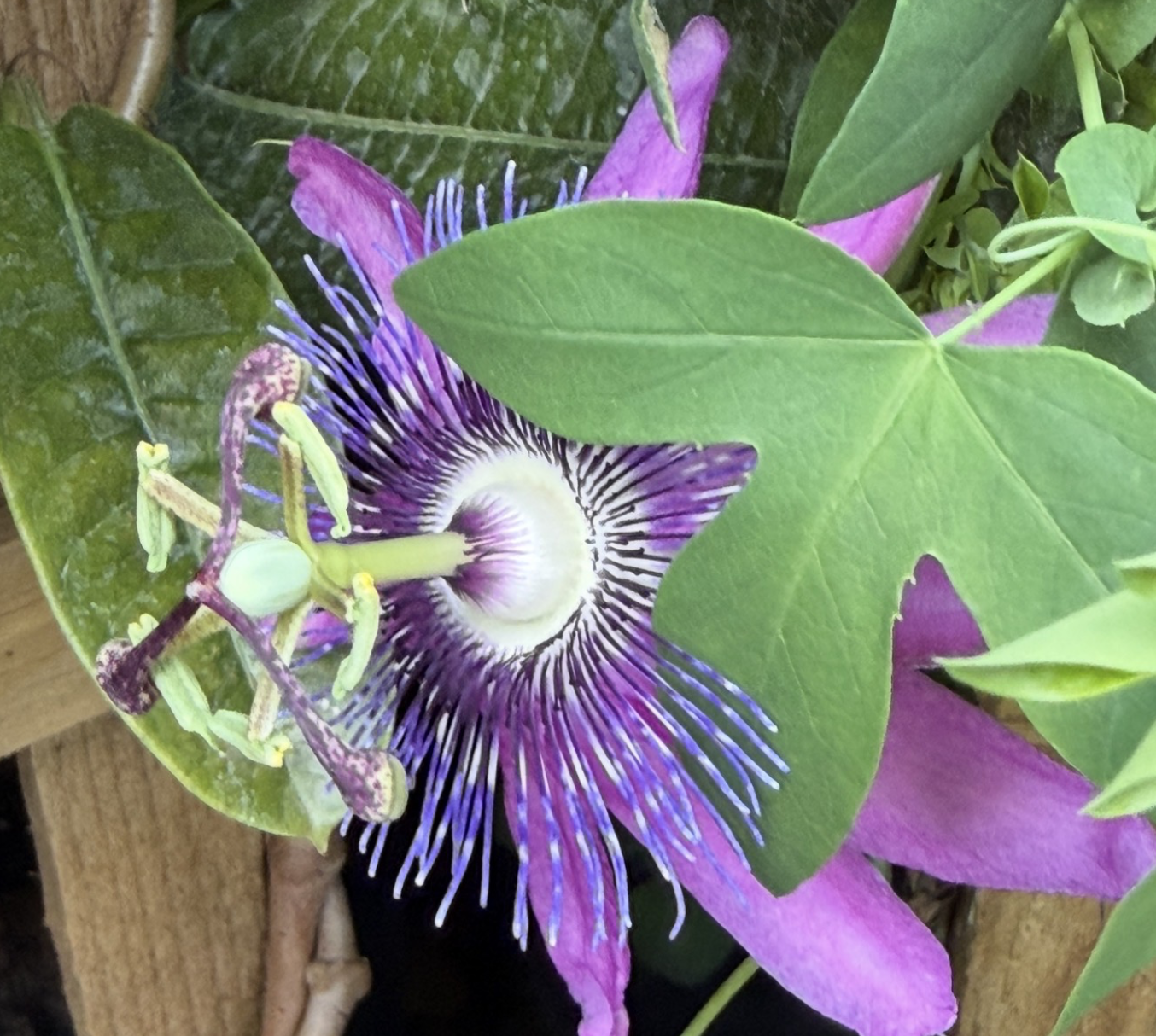
In the 15th and 16th centuries, Spanish missionaries in the Americas encountered the plant and were struck by its unique anatomy. They saw in its petals and vines a physical representation of the Passion of Jesus Christ—the final period of his life leading to the crucifixion.
If you’ve ever stumbled upon a Passion Vine (Passiflora), you know it looks like something straight out of a botanical dream—or perhaps a very intricate piece of clockwork. With its radial filaments, bold colors, and alien-like structures, it’s easily one of the most unique flowers on Earth.
But for centuries, this vine has been more than just a garden showstopper. In Christian tradition, it serves as a profound "theological textbook in bloom." Here is why the passion vine became a powerful symbol of faith and the story of the Crucifixion.
The Name: A Botanical "Passion Play"
The name "Passion Flower" doesn’t refer to romantic love. Instead, it comes from the Latin passio, meaning suffering.
In the 15th and 16th centuries, Spanish missionaries in the Americas encountered the plant and were struck by its unique anatomy. They saw in its petals and vines a physical representation of the Passion of Jesus Christ—the final period of his life leading to the crucifixion.
The Symbolic Breakdown
Every part of the flower was assigned a specific meaning to help teach the story of the Gospel:
• The Ten Petals and Sepals: Represent the ten faithful apostles (excluding Peter, who denied Jesus, and Judas, who betrayed Him).
• The Corona (The Fringe): The circle of hundreds of hair-like filaments represents the Crown of Thorns.
• The Three Stigmas: These represent the three nails used to fasten Jesus to the cross.
• The Five Anthers: These symbolize the five wounds Christ received (the hands, the feet, and the side).
• The Tendrils: The winding, curling vines of the plant represent the whips used in the scourging.
• The Leaves: In many species, the three-lobed leaves are seen as a symbol of the Holy Trinity.
A Story of Beauty and Sacrifice
What makes the passion vine such a poignant symbol is the juxtaposition of its extreme beauty and its somber meaning. To the early missionaries, it was a reminder that out of suffering and sacrifice (the Passion), something vibrant and eternal (the flower) could bloom.
Even the lifespan of the bloom is symbolic: many species of passion flower open in the morning and wither by the following day, echoing the brief but world-changing timeline of the Easter story.
Why It Matters Today
In an era where we often rush past the natural world, the passion vine invites us to slow down and look for deeper meaning in our surroundings. Whether you view it through a religious lens or simply appreciate its complex biology, the vine remains a testament to the idea that nature often carries a story if we are willing to read it.
Have you ever seen a Passion Flower in person, or do you have another plant in your garden that carries a special meaning for you?