Fire and Marble: Grilling the Perfect Ribeye
Grilling Notes · 5 min read
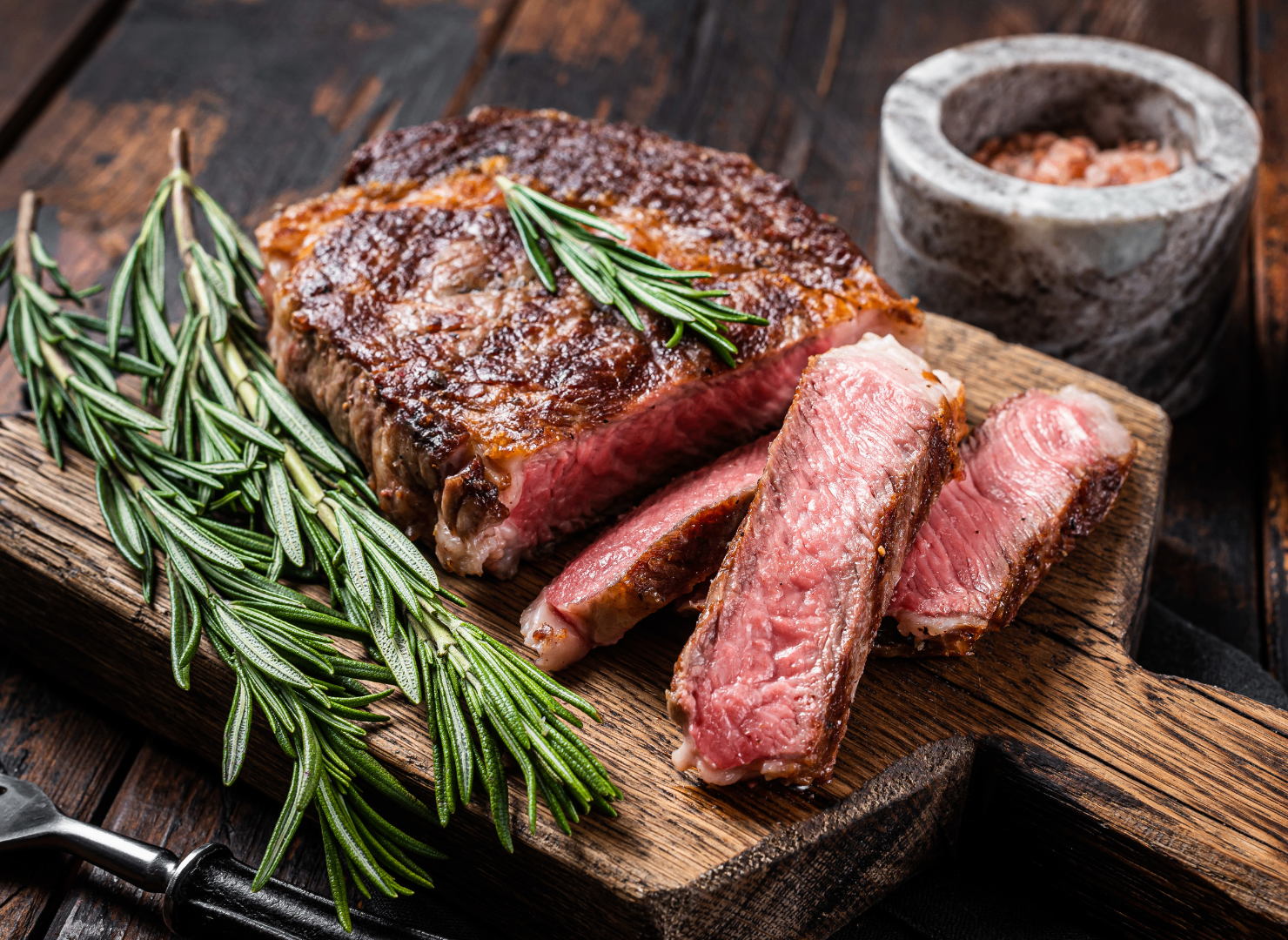
Some cuts of beef need help. The ribeye is not one of them. With all that rich marbling running through it, a ribeye comes to the fire already carrying everything it needs to be great. Your job is simple: don't get in its way. Buy a good steak, season it with confidence, get the fire right, and know when to pull it. Here's how we do it, whether you're cooking over charcoal, gas, or pellets.
From the porch at Boone & Co. Some cuts of beef need help. The ribeye is not one of them. With all that rich marbling running through it, a ribeye comes to the fire already carrying everything it needs to be great. Your job is simple: don't get in its way. Buy a good steak, season it with confidence, get the fire right, and know when to pull it. Here's how we do it, whether you're cooking over charcoal, gas, or pellets.
Picking Your Steak Start at the meat case and look for a ribeye at least an inch and a quarter thick, an inch and a half if you can get it. Thin steaks overcook before they ever get a proper crust. Look for generous white marbling threaded through the red. That's the flavor, and it bastes the steak from the inside as it melts over the fire. Bone-in or boneless both work fine. The bone looks good on the plate and some folks swear it eats better. Plan on one good ribeye feeding one hungry person, or two polite ones.
Season It Right First rule: take the steak out of the icebox 30 to 45 minutes before it hits the grill. A cold-centered steak cooks unevenly. Let it come toward room temperature while the fire gets ready. Pat it dry with a paper towel. A dry surface is what sears; a wet one steams. Then season generously on every side, edges included. You can't go wrong with plain salt and coarse black pepper, but this is where a good rub earns its place. Come see us and pick your favorite off the shelf. We stock Kinder's, Kosmos Q, Bearded Butcher, Frag Out, Rufus Teague, Traeger, and more, and several of those lines make a steak blend that was born for a ribeye. A coffee-and-pepper rub, a garlic butter blend, or a classic steakhouse seasoning will all do this cut proud. A word on marinades: a well-marbled ribeye doesn't need one to be tender, but if you like the flavor, give it 30 minutes to a couple hours in your favorite, then pat it dry before grilling so you still get that crust. We carry marinades from the same lineup, so grab a bottle while you're picking your rub.
The Method: Hot and Fast, Then Watch It Close However you fire it, the goal is the same. You want a screaming-hot surface for the sear and a cooler zone to finish the steak gently if it needs more time. Here's how that looks on each grill.
On a Charcoal Grill Charcoal is the classic for a reason. That flavor is hard to beat. Light a full chimney of charcoal and let it ash over, about 15 to 20 minutes. Bank the coals to one side for a two-zone fire: ripping hot on one side, gentle on the other. Set the grate on, let it heat 5 minutes, and give it a quick scrape and oil. Lay the steak over the hot coals. Sear 2 to 3 minutes per side, turning once, until you've got a deep brown crust. If the dripping fat flares up, slide the steak over a few inches and let the flame settle. For a thicker steak that needs more time, move it to the cool side, cover the grill, and let it coast to your target temperature.
On a Gas Grill Gas gives you control and convenience, and it'll turn out a beautiful ribeye. Preheat with all burners on high, lid closed, a solid 10 to 15 minutes. You want the grates around 500 degrees or better. A hot grate is the difference between a crust and a disappointment. Set up your zones: leave one or two burners on high, drop the others to low. Clean and oil the grates, then lay the steak over the high burners. Sear 3 to 4 minutes per side with the lid open, turning once. Thicker steak? Slide it over the low burners, close the lid, and finish to temperature.
On a Pellet Grill A pellet grill flips the script with the reverse sear, and it might be the most foolproof route of all. Set the grill to 225 degrees and let it come up to temp. A hickory, oak, or pecan pellet suits beef nicely. Put the steak on and let it smoke low and slow until the internal temperature reads about 110 to 115 degrees, usually 30 to 45 minutes depending on thickness. This stage perfumes the beef with smoke you can't get any other way. Pull the steak, then crank the grill to its highest setting (use the sear plate or open the flame broiler if your rig has one). Sear 1 to 2 minutes per side to build the crust and bring it home.
Knowing When It's Done Trust a good instant-read thermometer over the clock, every time. Pull the steak about five degrees shy of your target, because it keeps cooking while it rests: • Rare: pull at 120, rests to 125 • Medium rare: pull at 125 to 130, rests to about 135 (this is the ribeye sweet spot, where the marbling is fully melted and the meat is juiciest) • Medium: pull at 135 to 140, rests to about 145 Past that, you're on your own, and we'd gently suggest you reconsider.
Rest It, Then Eat Set the steak on a cutting board, tent it loose with foil, and let it rest 5 to 10 minutes. The juices settle back through the meat instead of flooding the plate. If you want to gild the lily, set a pat of butter on top while it rests and let it melt down through that crust. Slice against the grain if you're sharing; keep the whole thing if you're not.
Rounding Out the Plate, North Louisiana Style A ribeye deserves good company. Here's a supper worthy of it:
• Silver Queen or Peaches & Cream corn, if it's summer—nothing beats corn season around here. • A skillet of cornbread, baked dark and crisp at the edges, for sopping up steak juice. • Fried green tomatoes or a tomato-cucumber salad, depending on the season, to cut all that richness with something bright. • Purple hull peas simmered low with a little seasoning meat, if you want the full Delta table. • And if you saved room, walk over to our shop side for a scoop of Blue Bell or a milkshake to finish the evening right.
Everything you need for this cook is under our roof: the grill itself if you're due for an upgrade (Traeger, Pit Boss, Weber, Kamado Joe, and more on the floor), charcoal, pellets, rubs, marinades, thermometers, and the tools to flip it all with confidence. Come grab what you need, and tell us how the steak turns out.